
The Allure of Casino Games
Casino games have long captivated players with their combination of excitement and the potential for monetary gain. The thrill of placing a bet and the possibility of winning can trigger a rush of adrenaline, activating the brain’s reward system. This phenomenon can be traced back to basic psychological principles, where the anticipation of a reward often leads to heightened emotions and a state of heightened focus. The ambiance of casinos, with their vivid colors, sounds, and lights, is specifically designed to enhance this experience, creating an immersive environment that keeps players engaged. For instance, many enthusiasts are drawn to the best options, including the payid casino platforms available in 2026.
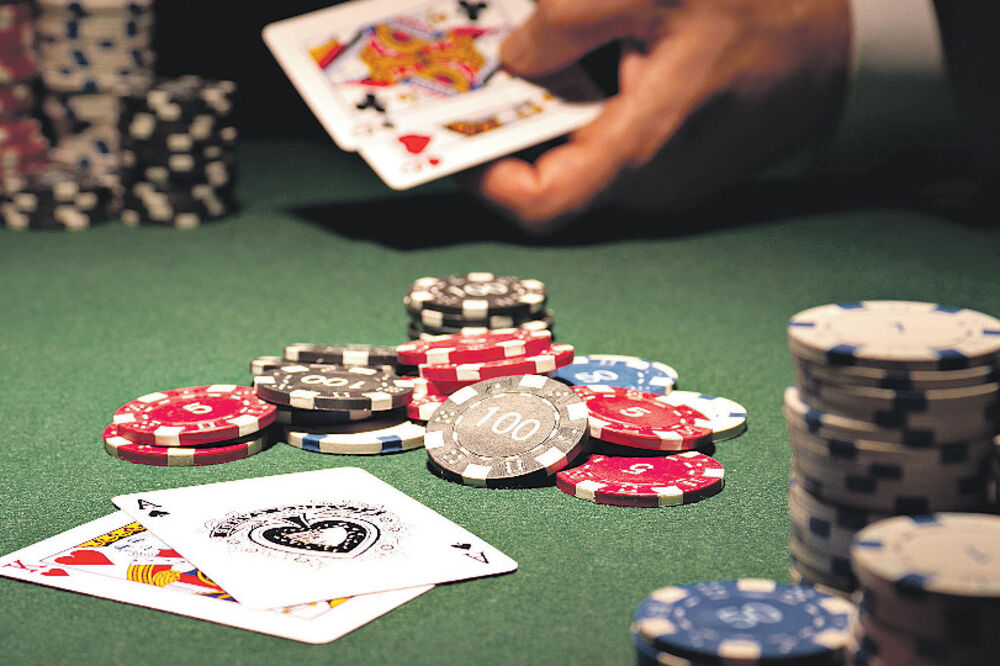
Moreover, the design of many casino games incorporates elements of randomness and uncertainty, which can be particularly appealing. The unpredictable nature of outcomes leads to what psychologists call “variable reinforcement,” a principle that explains why players may continue to gamble despite losses. This unpredictability can keep players returning, as each spin of the slot machine or roll of the dice holds the potential for a surprising outcome that might alter their fortunes.
The Role of Cognitive Biases
Cognitive biases play a significant role in how players perceive their chances of winning within casino environments. Common biases, such as the illusion of control, lead individuals to believe they have more influence over outcomes than they actually do. For instance, a player may feel that their betting strategy or skill in a game significantly impacts their success, despite the inherent randomness of many casino games. This misbelief can encourage further gambling, as players seek to validate their perceived expertise.
Another prevalent bias is the gambler’s fallacy, where players believe that past occurrences can influence future outcomes. For example, after a sequence of losses, a player might think they are “due” for a win, prompting them to continue gambling in hopes that luck will eventually turn in their favor. Such biases highlight the complex interplay between cognitive processes and gambling behavior, illustrating why some individuals may struggle to walk away from the tables.
The Emotional Dynamics of Gambling
The emotional journey in casino gaming is profound, often swinging between exhilaration and disappointment. Winning can elevate moods and create feelings of elation, while losses can lead to frustration or despair. This emotional rollercoaster is partly due to the way players emotionally invest in the outcome of games, associating wins with happiness and losses with negative feelings. Psychologically, these emotional highs and lows can reinforce gambling behavior, as players may chase the thrill of a win after experiencing the lows of a loss.
Furthermore, casinos often promote games that are fast-paced and engaging, which can amplify emotional responses. Players can find themselves swept up in the excitement, losing track of time and money as they chase fleeting moments of victory. This emotional investment can make it difficult to recognize when it is time to stop, as the desire for a return to that euphoric state can override rational decision-making.
Social Influences and Peer Effects
The social environment in which gambling occurs can significantly impact player behavior. Many players enjoy gambling as a communal activity, sharing the experience with friends or strangers in a vibrant casino setting. This social aspect can enhance the fun and excitement, making the thrill of gambling a shared experience rather than a solitary one. The group dynamics can lead to increased participation, as players encourage one another to engage in more gaming activities.
Additionally, peer pressure can influence gambling behaviors either positively or negatively. Social reinforcement, such as celebrating wins together, can create an environment where players feel encouraged to take larger risks. Conversely, seeing peers experience losses may also lead to caution, though it can sometimes encourage individuals to gamble more to avoid feeling left out. This intricate web of social dynamics adds another layer to understanding how and why individuals engage in gambling activities.

Enhancing Your Gambling Experience with Insightful Resources
Understanding the psychology behind casino games is crucial for anyone looking to enhance their gambling experience. Knowledge of cognitive biases, emotional dynamics, and social influences can enable players to make more informed decisions, whether they are visiting a physical casino or engaging in online gaming activities. In particular, having access to comprehensive reviews and comparisons of various gaming platforms can help guide players in their choices, ensuring a more enjoyable and responsible gaming experience.
Our website serves as a valuable resource for players seeking the best PayID casinos, offering insights into fast withdrawals and secure gambling environments. By providing expert reviews and user-friendly navigation, we aim to empower players with the knowledge they need to make informed decisions. Join us to discover the ideal casino that aligns with your preferences and enhances your overall gaming journey!