
The allure of casino gaming and its psychological underpinnings
Casino gaming has a unique allure that captivates millions worldwide, driven by a blend of excitement, anticipation, and the promise of potential rewards. Psychologically, this appeal can be attributed to the thrill associated with risk-taking and uncertainty. Gamblers often experience a rush of adrenaline as they place bets and await outcomes, which can trigger the brain’s reward circuits, reinforcing the desire to return. This psychological phenomena reflects the combination of excitement and hope that underlie many gambling behaviors. In this context, many players are drawn to platforms that facilitate their experiences, such as non gamstop casino, which enhance the availability of options.
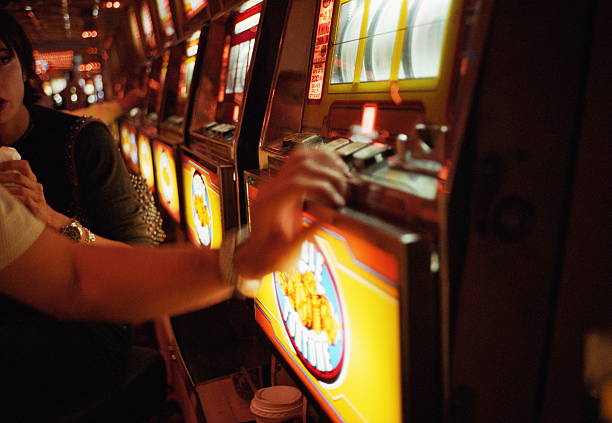
Moreover, the environment of a casino is meticulously designed to maximize this psychological engagement. From bright lights to captivating sounds, every element is crafted to stimulate the senses, ensuring that players remain immersed in a world of possibility. This sensory overload can create a euphoric experience, often leading players to spend more time and money than initially intended, showcasing the profound impact of environmental cues on gambling behaviors.
Common strategies employed by gamblers
Gamblers often turn to various strategies to optimize their chances of winning at games of chance, despite the inherent unpredictability of these games. Popular methods such as the Martingale system, which involves doubling bets after losses, and the Fibonacci sequence are frequently employed. These strategies provide a sense of control and structure in an otherwise chaotic environment, appealing to the human need for certainty and predictability.
However, the effectiveness of these strategies is often debated. While they may offer short-term gains in specific situations, the long-term viability often suffers due to inherent house advantages. Understanding the psychology behind these strategies reveals that many players engage in them not purely out of logical reasoning but as a means to cope with the unpredictability of gambling outcomes, further illustrating the complex dynamics at play in casino gaming.
The role of cognitive biases in gambling decisions
Cognitive biases significantly influence the decisions made by gamblers, often steering them away from rational thinking. One prominent bias is the gambler’s fallacy, where players believe that past outcomes can affect future results, leading them to make flawed betting decisions based on previous rounds. This belief can lead to chasing losses and ultimately more significant financial setbacks, as players become overly optimistic about their chances of recovery.
Additionally, overconfidence bias can lead gamblers to believe they have skills or insights that improve their odds, especially in games like poker or blackjack. This inflated sense of self-efficacy can encourage riskier bets and greater financial commitment, contrasting with the reality of probabilistic outcomes. By examining these cognitive biases, it’s evident how deeply entrenched psychological factors guide gambling behavior and decision-making.
The impact of emotional states on gaming strategies
Emotional states substantially impact a gambler’s strategy and decision-making process. When players feel excited or euphoric, they may take more significant risks, often deviating from their usual strategies. Conversely, negative emotions like frustration or sadness can lead to impulsive decisions, such as chasing losses or doubling down on losing bets in an attempt to reclaim lost funds. This emotional rollercoaster underscores the delicate interplay between psychology and gambling behaviors.
Moreover, understanding the role of emotions can help in developing healthier gambling strategies. Players who recognize their emotional triggers can adopt more disciplined approaches, mitigating the risks associated with reckless gambling behavior. By fostering emotional awareness, gamblers can enhance their decision-making processes and potentially improve their overall gaming experience.
Exploring resources for responsible gambling
As the understanding of the psychology behind gambling continues to grow, numerous resources are available to support responsible gaming practices. Educational platforms provide insights into the cognitive biases and emotional triggers that can impact gambling decisions, promoting better self-awareness among players. These resources often emphasize the importance of setting limits and recognizing the signs of problematic gambling behavior.
Furthermore, many casinos and gaming establishments now offer support services for individuals seeking help with gambling issues. These initiatives aim to create a safer gaming environment, ensuring players have access to necessary resources while enjoying their experiences. Engaging with such platforms can empower gamblers to make informed decisions, ultimately fostering healthier relationships with gaming activities.